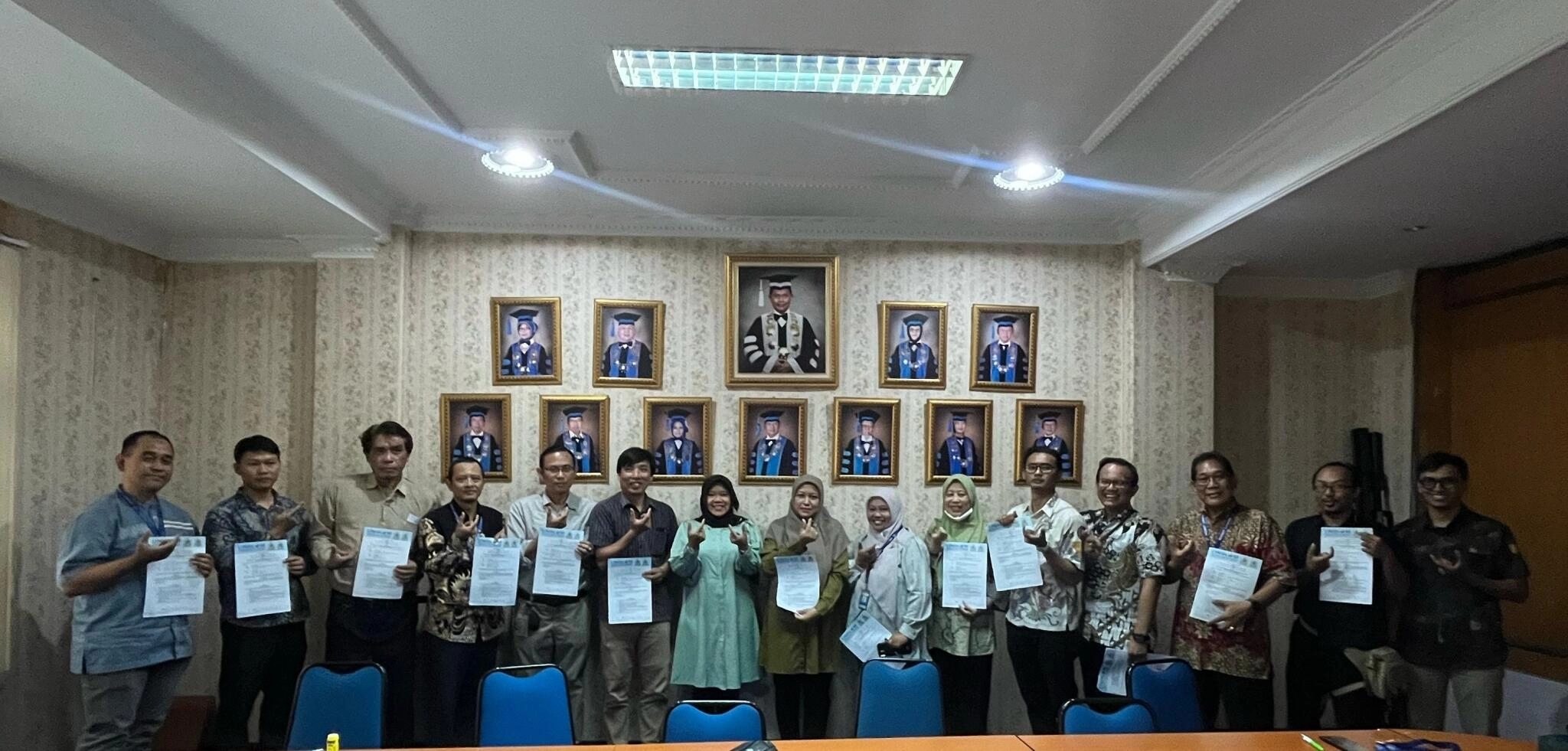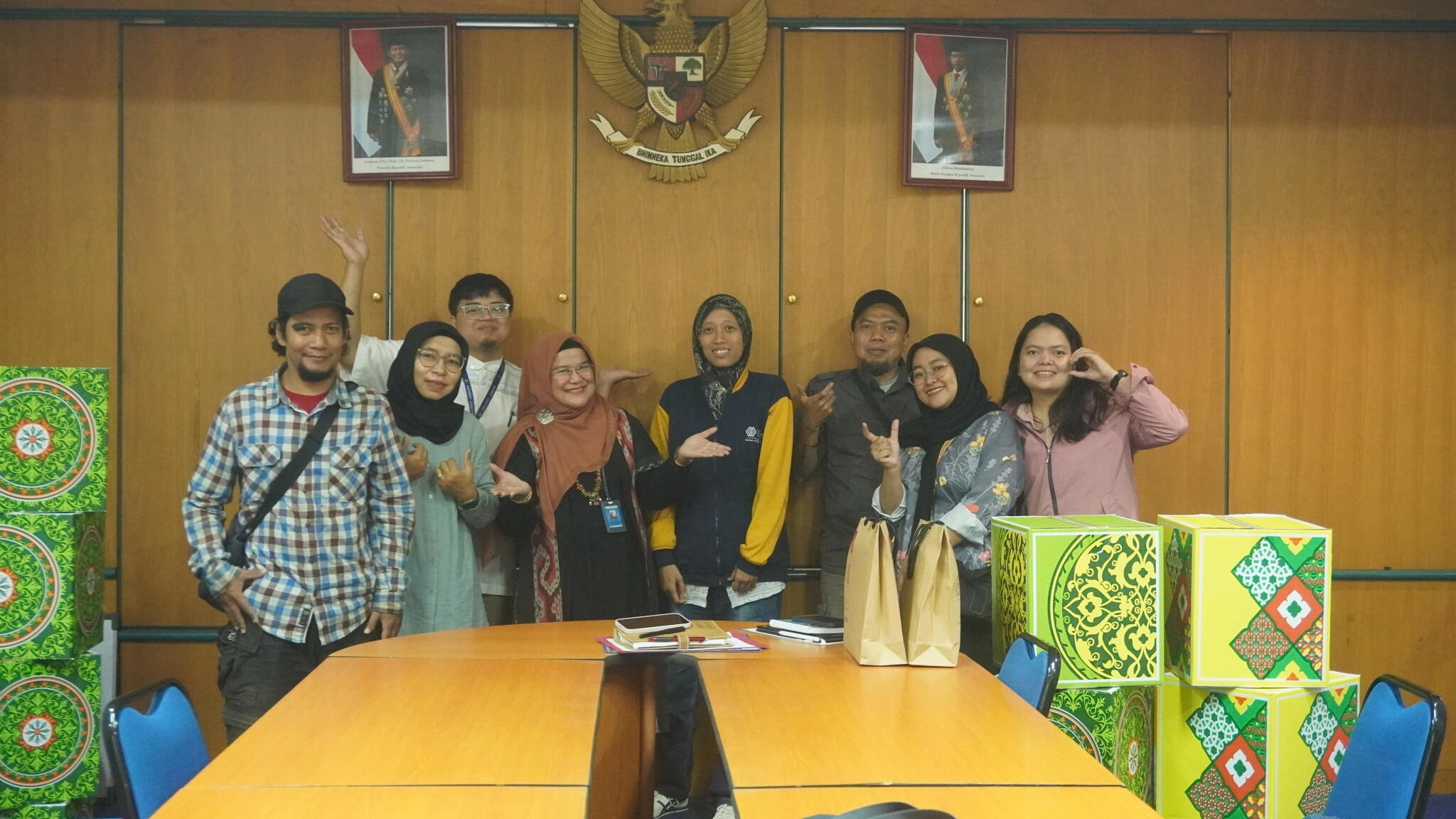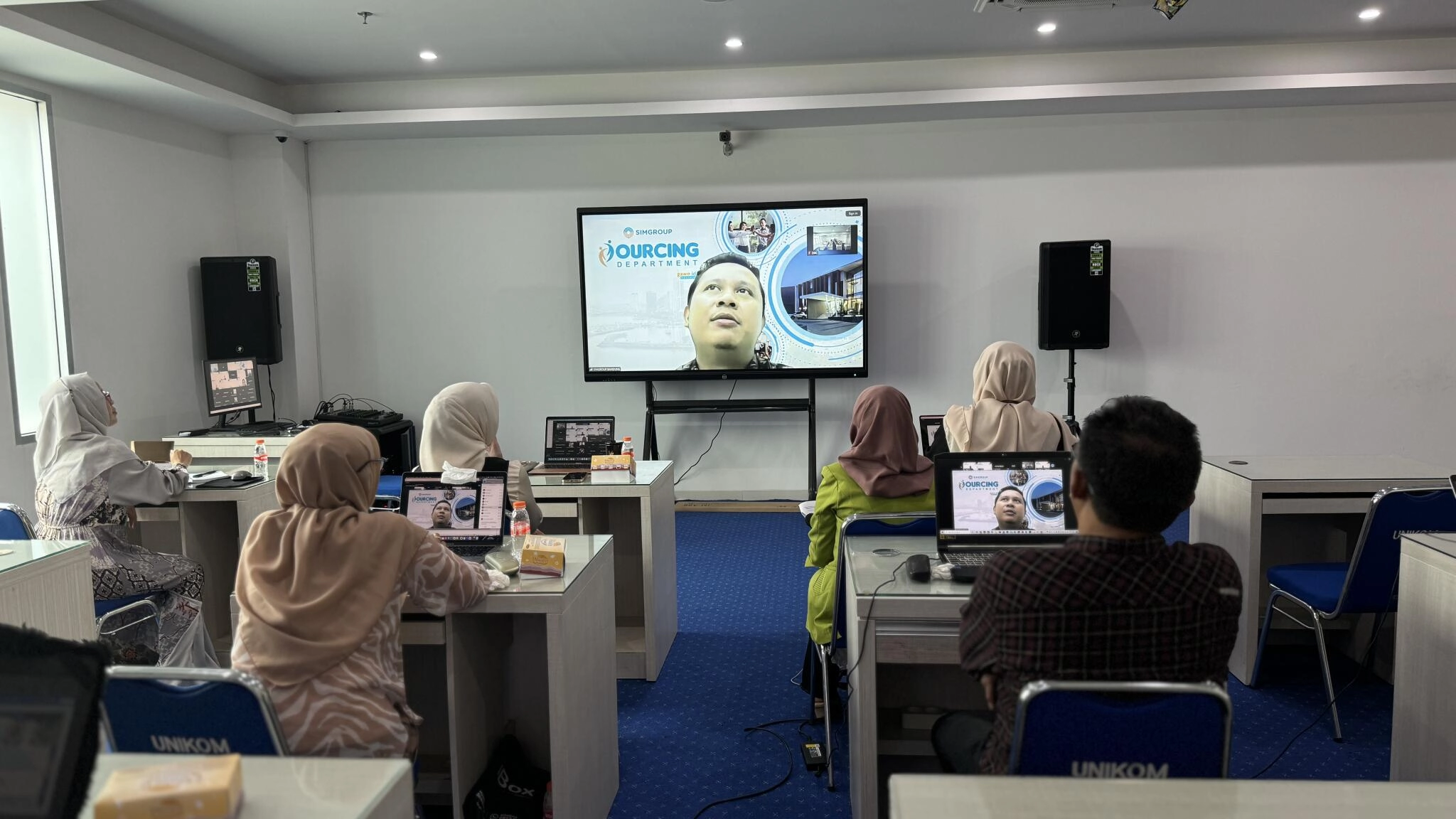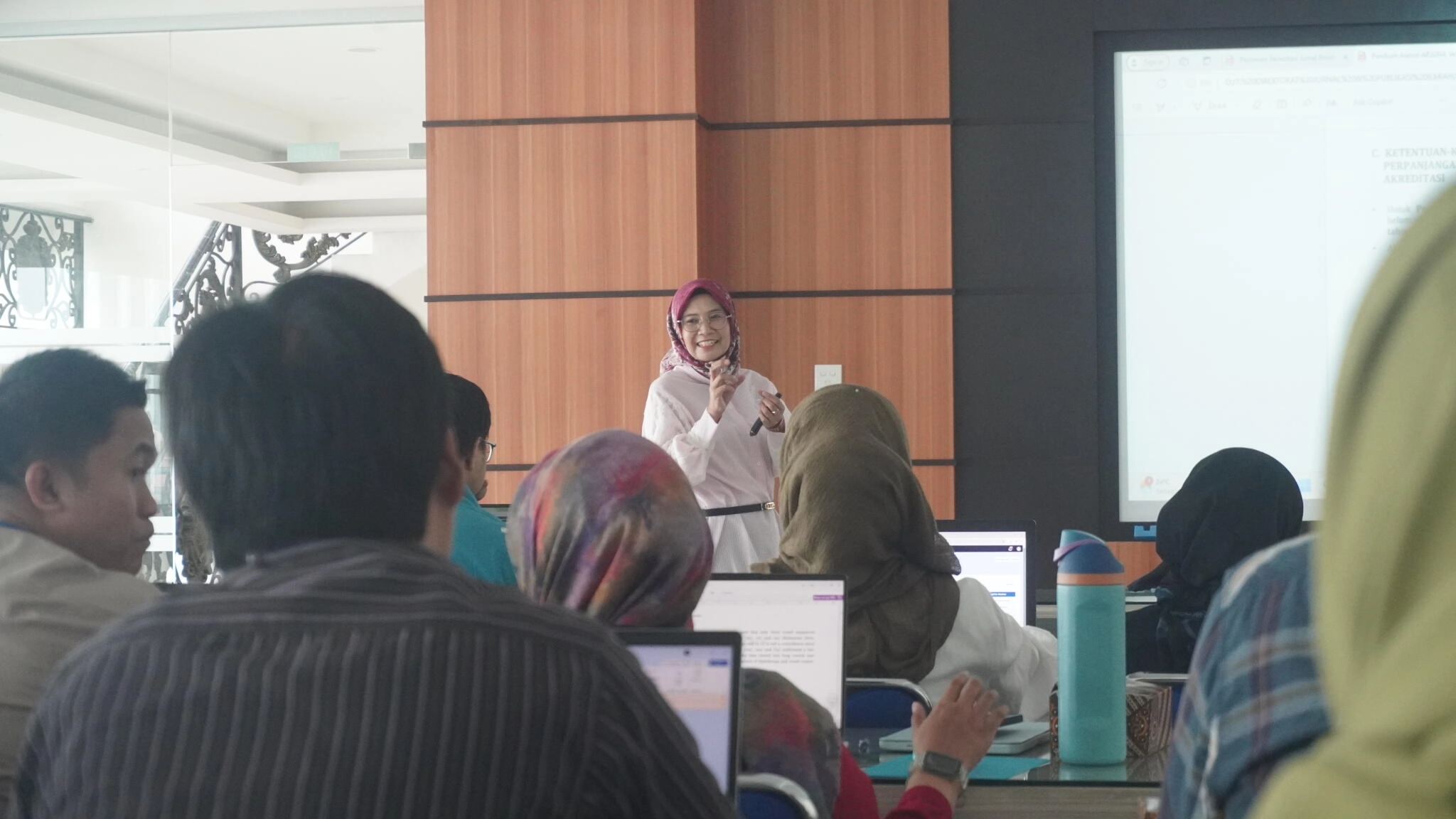
BANDUNG, UNIKOM – In an effort to strengthen the quality of scientific journals in the campus environment, Universitas Komputer Indonesia (UNIKOM), through the Directorate of Journals and Scientific Publications, held Open Journal System (OJS) coaching and accreditation preparation sessions for the National Journal Accreditation (ARJUNA). This event took place in Room 10.010 Smart Building from 09.00 to 14.00 WIB.
This activity was attended by journal managers from various faculties, study programs, and divisions at UNIKOM, with the main objective of providing an in-depth understanding of OJS-based journal management and strategies for undergoing the national accreditation process. In this session, participants were provided with crucial information regarding the ARJUNA journal accreditation assessment criteria, such as publishing management, quality of article substance, and publication ethics.
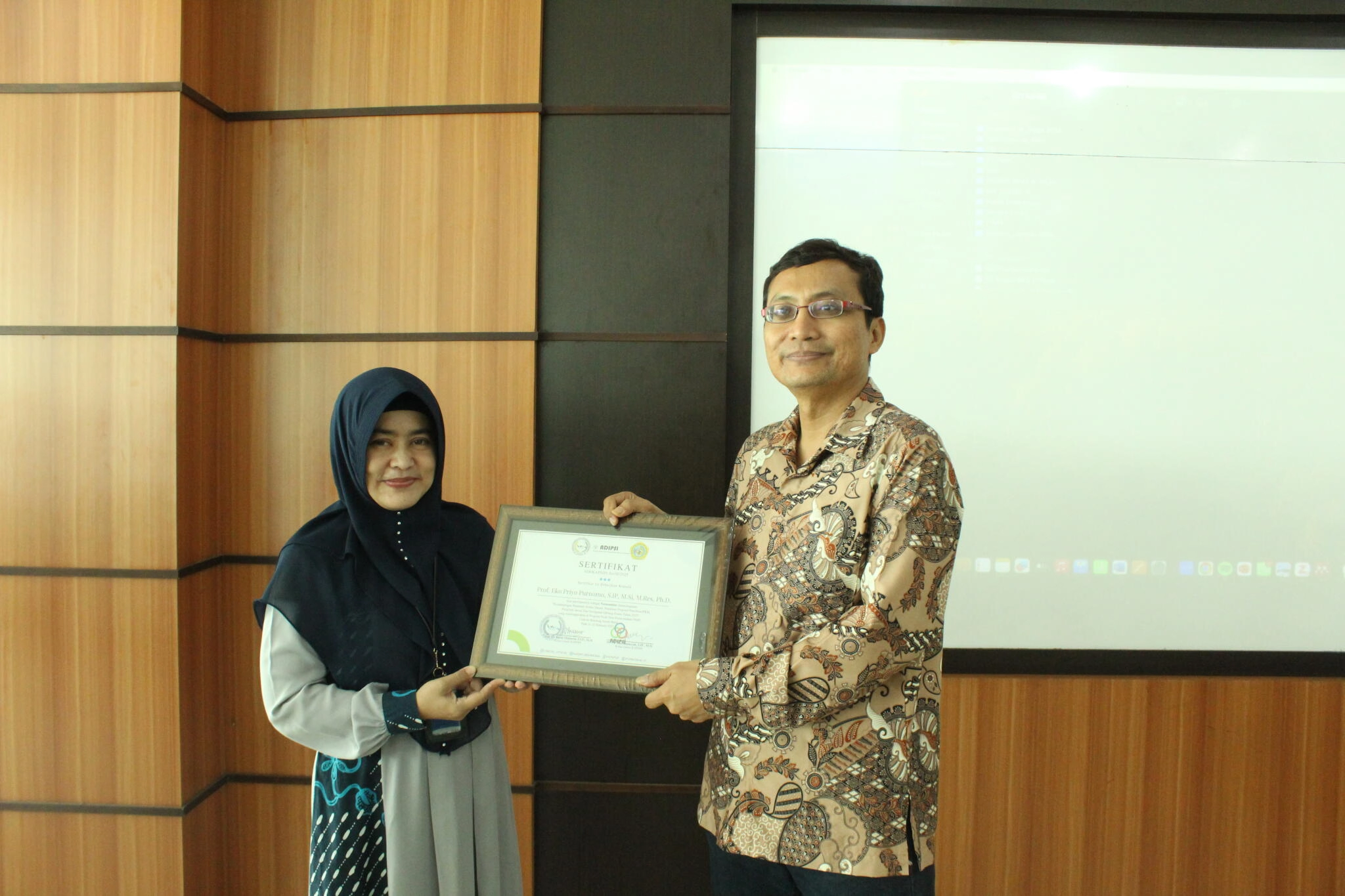
This activity is part of the institution’s commitment to continuously improve the standard of scientific publications and encourage UNIKOM journals to achieve higher national accreditation. Director of UNIKOM Scientific Journals and Publications, Assoc. Prof. Dr. Poni Sukaesih Kurniati, S.IP, M.Si, expressed her gratitude, stating: “Alhamdulillah, one of our journals achieved SINTA 2 accreditation in the March period. This is not an easy achievement. However, to maintain or even improve the ranking, we must enhance article quality, writing strength, scalability, and the journal management system,” said Assoc. Prof. Dr. Poni.
The coaching material includes the introduction of OJS features with the latest version, the editorial process mapping accreditation document completeness, and exposure to OJS version 3.4 implementation materials delivered by Donny Reza, M.Kom. Participants also received guidance in adjusting the journal structure with guidelines from ARJUNA (National Journal Accreditation), including aspects of readability, indexation, and reviewer management.
This activity received a positive response from the participants, who were enthusiastic about deepening their understanding and improving the journal system in their respective units. By organizing this activity, UNIKOM showed concrete steps in supporting the improvement of the quality of national scientific journals and strengthen a culture of credible and competitive scientific publishing.